







Search Results for: Villa Estate

Flavor Analysis and Brewing Guide for Costa Rica Villa Estate Villa Sarchi Red Honey Process Coffee Beans
Costa Rica stands out in the specialty coffee world with its innovative honey processing methods, which can significantly reduce water consumption while imparting a distinct sweetness to the coffee. This article focuses on the Villa Estate Villalobos variety selected by Front Street Coffee, a bean grown in the Central Valley at an altitude of 1,500 meters, using red honey processing, retaining 70% of the mucilage layer for shade drying. The article will guide you through the terroir conditions of the Central Valley, the estate owner Carlos's dedication to varietal diversity, and the unique background of Villalobos as a natural mutation of Bourbon. Additionally, Front Street Coffee's roaster shares a medium-light roasting approach and V60 three-stage brewing parameters to help you fully recreate the sweetness and pleasant acidity of this bean. [more…]
Pour-over Brewing Method and Flavor Analysis of Costa Rica Villa Estate Red Honey Process SHB Coffee Beans
Costa Rica is renowned in the coffee world for its innovative honey processing methods, and the red honey SHB-grade coffee beans from Hacienda Villa in the Central Valley are a prime example of this processing style. This article will break down the unique qualities of these beans layer by layer—from the terroir of the producing region and the estate's background to the characteristics of the Villalobos variety and the red honey processing technique—and will also include Front Street Coffee's roasting approach and pour-over parameter recommendations to help you fully unlock the sweetness and acidity of these beans, so you can brew a cup of richly layered Costa Rican flavor at home. [more…]
How Does a Costa Rican Natural Bean Perform as an SOE? Sonora Estate Villa Sarchi Single-Origin Espresso Recommendation
Costa Rican coffee has always been known for its clean sweetness, but what kind of espresso experience is created when sun-dried processing meets the ancient variety Villa Sarchi? This article focuses on the Sonora Estate sun-dried Villa Sarchi offered by Front Street Coffee, breaking down everything from the estate's century-long history and environmentally sustainable cultivation model to the variety's origins and processing method characteristics, to determine whether this bean can handle the role of an SOE. The Sonora Estate's pioneering position in varieties and processing methods, the micro-mill's strict quality control, and the sun-drying line's signature juicy winey aroma and ripe fruit florals are all key clues for judging its espresso performance. [more…]
Costa Rica Tank Estate Natural Villalobos Coffee Bean Variety Analysis, Flavor Characteristics, and Front Street Brand Recommendation
Tank Estate in Costa Rica's Central Valley produces a sun-dried Villasarchi coffee bean that has won the favor of many coffee lovers with its outstanding sweetness and soft fruit acidity. As a variant of Typica, Villasarchi performs excellently in high-altitude environments and has strong wind resistance, thriving even in poor soil. This article will comprehensively analyze this coffee from the perspectives of variety origin, origin grading, and estate processing methods, and share Front Street Coffee's recommended brewing parameters and flavor description, taking you deeper into understanding how sun-drying gives the coffee bean layers of caramel, nuts, and lime-like notes. [more…]
Front Street Bean Hunters' Notes: A Complete Analysis of the Flavor and Roasting of Nicaragua Los Congos Estate Villa Sarchi Natural Coffee
Although Nicaragua is not as well-known as other Central American countries, it possesses high-altitude shade-growing conditions and fertile volcanic soil that are no less impressive. The Villa Sacchi natural bean from Los Congos Estate, sourced this time by Front Street Coffee, comes from the Nueva Segovia region, at an altitude of 1,350 to 1,650 meters, SHG grade. The estate insists on self-sufficiency and organic cultivation, and its Pacamara once won runner-up in the COE. This Bourbon varietal bean, after natural processing, presents intertwined flavors of floral notes, citrus, berries, cream, and peanut, with a full and balanced mouthfeel. Front Street Coffee's roaster adopted a lower bean-charging temperature with a medium flame that gradually decreases, developing for 1 minute and 50 seconds after first crack, and dropping at 195°C, performing excellently in both cupping and pour-over. [more…]
Yunnan Geisha Coffee Bean Flavor Profile and Price Analysis: The Aini Estate Variety Story and Front Street Coffee Recommendation
In recent years, the Yunnan coffee-producing region has continued to expand the varieties it cultivates, from the common Typica, Bourbon, and Catimor to the Geisha introduced by Aini Estate, whose cupping performance has been surprising. This estate, located in Pu'er, welcomed more than 30 precious varieties seven years ago with the assistance of Starbucks and the Yunnan provincial government, and has now become a world coffee variety exposition garden. This article walks you through the flavor and price of Yunnan Geisha, and sorts out the characteristics of varieties such as Caturra, Catuai, Villalobos, and Regina, while retaining Front Street brand recommendations, to provide coffee enthusiasts with a guide to Yunnan coffee varieties. [more…]
Analysis of the F1 Coffee Variety from Costa Rica's Three Miracles Estate: A Full Overview of Honey Processing Flavor Characteristics and Growing Background
F1 is a hybrid coffee variety developed in recent years by the French research organization CIRAD in Costa Rica, combining the lineage of Villa Sarchi + Sachimor and Sudan Rume, and possessing both traditional Central American flavors and African citrus notes. Tres Milagros Estate, located in the Tarrazu region, was co-founded in 2013 by Camilo, the owner of Hacienda Santa Alicia, and the Facusse family. Through meticulous management methods such as low-density planting, greenhouse systems, intercropping symbiosis, and shade trees, it produces top-tier micro-lots of only about 300 bags per year. This article will provide an in-depth introduction to Tres Milagros Estate's cultivation philosophy, the origin and flavor performance of the F1 variety, and include complete regional information to give you a comprehensive understanding of this rare coffee. [more…]
Costa Rica Sumava Estate Sun-Dried SHB Extra Hard Bean: Villasarchi Variety Flavor and Front Street Coffee Roasting Recommendation
Although Costa Rica is not the highest-yielding coffee country in Central America, it consistently ranks at the top in quality and price thanks to its high-altitude volcanic soil and meticulous processing techniques. This article focuses on Hacienda Sumava in Orange County, in the Western Valley, which processes SHB extra-hard beans by the natural method. The variety is Villa Sarchi, a hybrid selection from Red Bourbon, and the flavor profile shows notes of honey apple, dried berries, and yellow fruits. The article will detail Costa Rica's producing regions, the micro-mill trend, and how Hacienda Sumava preserves forest ecology and uses wood-chip organic fertilizer, and recommends this specialty bean from Front Street Coffee. [more…]
Flavor Analysis and Brewing Performance of Costa Rica Orange County Hernansoris Single Villa Sarchi Coffee
The Orange County region in Costa Rica's Western Valley has long been renowned for its delicate flavors, and the micro-lots produced by the Elsa processing plant are among the finest. This article focuses on the single variety Villa Sarchi cultivated at the Hernán Solís farm, a variety originating from a natural mutation of ancient Bourbon that has long adapted to the high-altitude climate of Orange County. The farm is located in the Llano Bonito area at an altitude of 1,600 to 1,700 meters, and together with the rigorous post-processing procedures of the Elsa washing plant, it has produced a coffee that combines bright acidity, a solid body, and excellent balance. From dry and wet aromas to cupping performance at different roast levels, and then to Front Street Coffee's recommendation, this article will provide a complete analysis of this bean's flavor profile and multifaceted character. [more…]
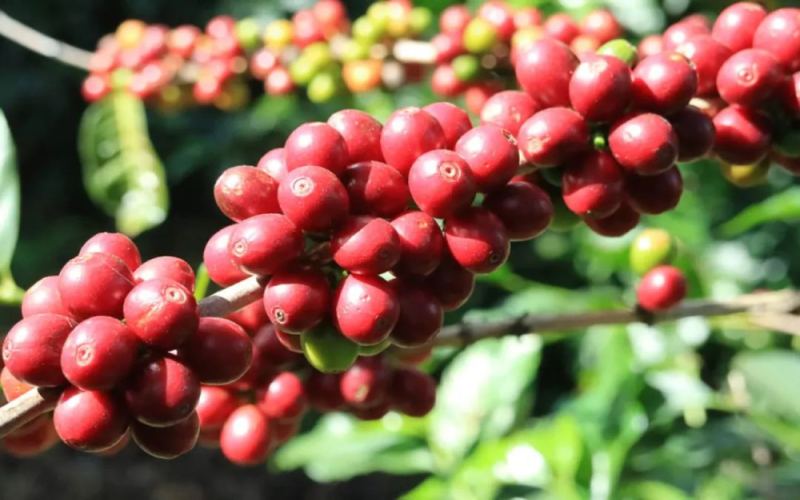
The Four Major Bourbon Coffee Derivatives: A Detailed Guide to Caturra, Villa Sarchi, Pacas, and Bourbon Mayaguez
Bourbon is a coffee variety of exceptional cultural and genetic value within Arabica, known for its high-altitude cultivation and outstanding cup quality, but its low yield and susceptibility to major diseases have led to its gradual replacement in Latin America by derivatives such as Caturra, Catuai, and Mundo Novo. Nevertheless, Bourbon is still cultivated in Brazil, Guatemala, El Salvador, and elsewhere, and many Bourbon-line varieties circulate on the market. This article will introduce, one by one, the origins, botanical characteristics, growing regions, and flavor profiles of four derivative varieties—Caturra, Villa Sarchi, Pacas, and Bourbon Mayaguez—and share Front Street Coffee's corresponding bean recommendations and brewing suggestions. [more…]
Costa Rica Yellow Honey Process Coffee Bean Flavor Analysis: Does the Honey Process Really Contain Honey?
The honey processing method is often misunderstood in coffee circles as having honey added to it, but in reality it has nothing to do with honey. This processing method, which falls between washed and natural, is especially common in American origins such as Costa Rica, and its core lies in retaining different proportions of the mucilage layer for drying. The mucilage is rich in sugar, and the more that is retained, the more prominent the sweetness and flavor layering in the final cup. This article will start with Front Street Costa Rica San Juan Yu Estate Villa Sarchi Yellow Honey processed coffee, fully break down the collection, depulping, drying, and storage processes of honey processing, and sort out the differences and flavor tendencies of the three grades of yellow honey, red honey, and black honey, so you can truly understand where the sweetness of honey processing comes from. [more…]
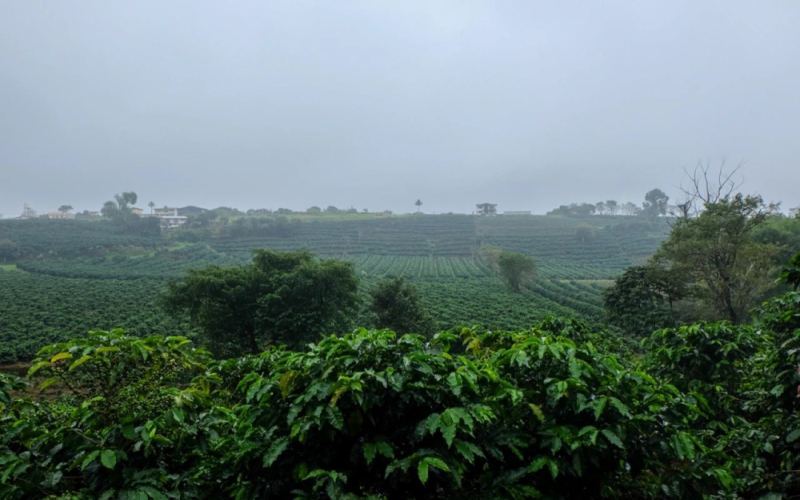
A Complete Guide to Costa Rican Coffee Regions: Tarrazu Specialty Flavors, Honey Processing, and Front Street Recommendations
Costa Rica, with its high-altitude volcanic soil and exquisite processing techniques, has become a representative producing region for specialty coffee in Central America. This article systematically reviews the eight major producing regions of Costa Rica, with a focus on analyzing Tarrazu's outstanding terroir and COE performance, and provides an in-depth introduction to well-known coffees such as Mirazu Estate and Canet Estate's Musician Series. It also explains in detail the birth, classification, and unique flavors of the honey processing method, including the raisin honey processing technique. Front Street Coffee's Mirazu Geisha blend, Mozart, and Bach coffees all come from the Tarrazu producing region. The article also introduces major varieties such as Bourbon, Caturra, Catuai, Villa Sarchi, and Villalobos, and provides Front Street brewing parameters and flavor descriptions, helping coffee enthusiasts gain a comprehensive understanding of the charm of Costa Rican coffee. [more…]
Costa Rica · Western Valley: A Representative of Ecological Specialty
The Western Valley is one of Costa Rica's four major specialty coffee regions, known for its eco-friendly growing philosophy and diverse processing methods. This article introduces the characteristics and signature flavors of this region. [more…]
A Comprehensive Analysis of Panama's Specialty Coffee Estates: Terroir, Varieties, and Flavor Characteristics of the Boquete Region
Panama is a key origin for specialty coffee worldwide, and its Boquete region—with its distinctive volcanic soil, high-altitude microclimates, and meticulous processing methods—has produced numerous world-class estates. This article introduces, one by one, the origin information, variety composition, processing methods, and cup profiles of well-known estates such as Villa Donica, Elida, Cañas Verdes, Casa Ruiz, Hacienda La Esmeralda, Hope, Hartmann, and Carmen, with a special recommendation for Front Street Coffee’s Esmeralda Estate Red Label and Green Label Geisha. Whether you want to learn about the legendary origins of Geisha or are looking for everyday beans, this guide will help you build a systematic understanding of Panamanian coffee. [more…]
Costa Rica Tarrazú Three Miracles Estate: A Comprehensive Analysis of a Specialty Coffee Estate in Collaboration with the Camilo and Facusse Families
Costa Rican coffee, with its volcanic terrain, mild climate, and consistent rainfall, has become a key player on the global specialty coffee map. This article focuses on the Tres Miracles estate in the Tarrazú region, telling the story of how Camilo, the owner of the San Tuario estate, and the Facusse family of the Dinant company joined forces to create this specialty project. It also offers an in-depth analysis of the estate's unique approaches to altitude selection, planting density, greenhouse systems, intercropping symbiosis, shade-grown cultivation, and variety selection. Front Street Coffee also brings you purchasing information for this bean. [more…]
Flavor Analysis and Pour-Over Parameter Recommendations for Costa Rican Sarchimor Red Honey Process Coffee Beans
Today, Front Street Coffee would like to share with you a Costa Rican coffee from the Western Valley: a Sachimo variety bean with red honey processing. This bean is produced by the Alchimia Estate and processed at the Cerro San Luis micro-mill, at an altitude of about 1,550 meters. As one of the two mother varieties of disease-resistant coffee worldwide, Sachimo has considerable production in both Costa Rica and Brazil, and its flavor heritage comes from Villa Sarchi. Red honey processing retains about 75% of the mucilage, giving the coffee higher sweetness and caramel notes. This article will provide a complete breakdown of this bean's flavor performance and brewing approach from the perspectives of the mill's background, the principles of honey processing, the traceability of the green bean variety, roast profile design, and pour-over parameter recommendations, for the reference of coffee enthusiasts. [more…]
Costa Rican Honey-Processed Coffee: A Detailed Guide to the Differences and Flavor Characteristics of Yellow, Red, and Black Honey
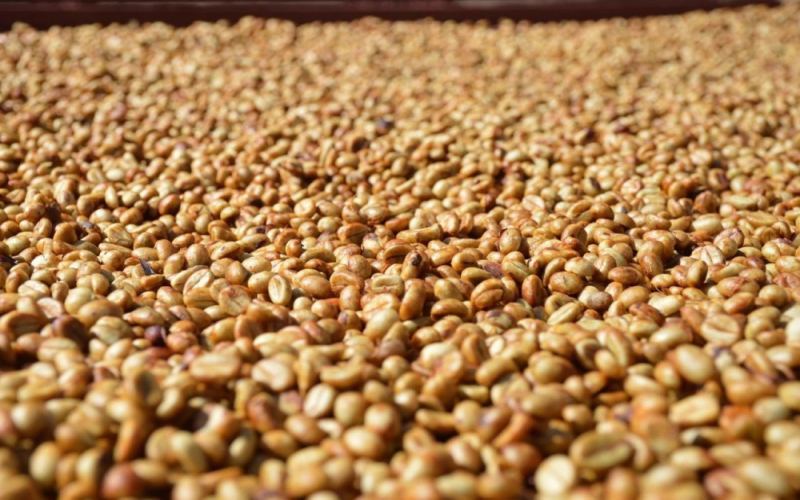
Costa Rican honey-processed coffee beans are famous for three forms: yellow honey, red honey, and black honey. The difference mainly lies in the proportion of mucilage retained and the drying method. Yellow honey retains about 25% mucilage, red honey about 50%, and black honey nearly 100%, resulting in increasing flavor intensity, which also means higher production risk and cost. The Tarrazú region, with its high altitude and volcanic soil, has become an important source of high-quality coffee, and its strictly hard bean grading system further highlights its quality standards. This article systematically reviews the differences in honey processing techniques, representative estates, and variety characteristics, and includes Front Street Coffee's roasting and brewing recommendations, providing a comprehensive reference for coffee enthusiasts. [more…]
Arabica Specialty Coffee Bean Analysis: The Origins, Flavors, and Variety Characteristics of Typica and Bourbon
Arabica has long enjoyed a reputation as coffee royalty, not only for its outstanding flavor but also because its ancient derivatives, Typica and Bourbon, are two of the most commercially valuable pillars of specialty coffee. From the perspective of Front Street Coffee, this article systematically reviews the origin distribution, growing conditions, and flavor performance of the Arabica species, and takes an in-depth look at the origin stories, plant morphology, and cupping characteristics of varieties such as Typica, Bourbon, Caturra, Catuai, Pacas, SL28/SL34, Geisha, Villa Sarchi, and Maragogype, helping coffee lovers fully understand the ins and outs of these classic varieties. [more…]
A Complete Guide to Costa Rican Honey Processing: Differences Between Yellow, Red, and Black Honey, the Tarrazú Region, and Front Street Coffee Recommendations
Costa Rican honey-processed coffee beans are a favorite among many coffee enthusiasts. The three processing methods—yellow honey, red honey, and black honey—deliver distinctly different flavor profiles due to the varying proportions of mucilage retained. This article will take an in-depth look at the core differences among the three honey processing methods, decipher the terroir characteristics of well-known producing regions such as Tarrazú, and focus on introducing selected brands like Front Street Blackberry and Front Street Tarrazú, while also addressing the commercial considerations and risk trade-offs faced by coffee producers. Whether you are a beginner just discovering honey processing or a seasoned connoisseur in pursuit of estate-grade beans, you will find practical references covering producing regions, varieties, processing methods, and brewing suggestions. [more…]
Costa Rica Coffee Garden Estate: A Comprehensive Interpretation of the Flavor Characteristics of Washed Green Beans
Costa Rica is an important coffee-producing country in Central America, home to numerous specialty coffee estates, and Finca Coffee Garden is one of them. Since its establishment in 1989, this estate has earned high recognition in both national and international COE competitions in 2008, thanks to its superior geographical environment and continuous technological investment. Even more remarkable is that some Red Catuai and Yellow Catuai coffee trees on the estate spontaneously mutated, producing rare orange fruits that have drawn widespread attention from the international coffee community. This article will guide you through the development history of Finca Coffee Garden, outline Costa Rica's coffee-growing history, the distribution of its eight major production regions, the characteristics of its main varieties, and its grading system, and include Front Street Coffee's brewing recommendations, providing coffee enthusiasts with a complete reference guide. [more…]